Author
Zigurat Global Institute of Technology
Categories
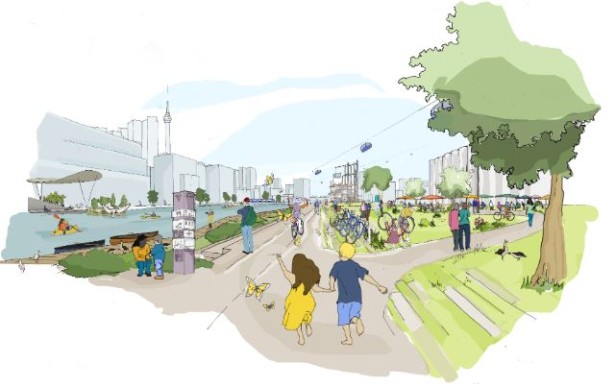
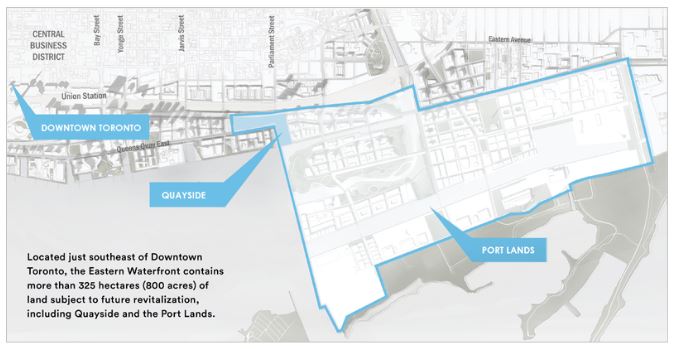 The area is made up by 325 hectares located southeast of downtown Toronto. It will include the neighborhood of Quayside and will extend throughout a gigantic space called Port Lands. One of the demands of the citizens of Toronto, who have participated in the numerous brainstorming meetings held between the heads of Sidewalk Toronto and the neighbors, is to achieve through the implementation of this project the integration of this district with the rest of the city.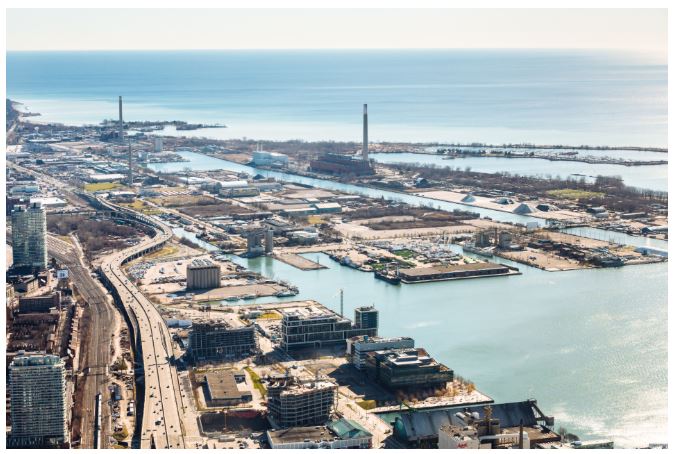
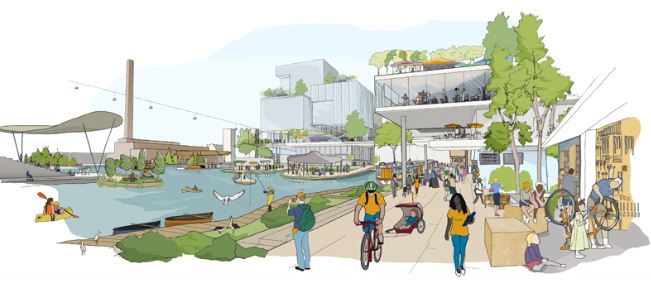
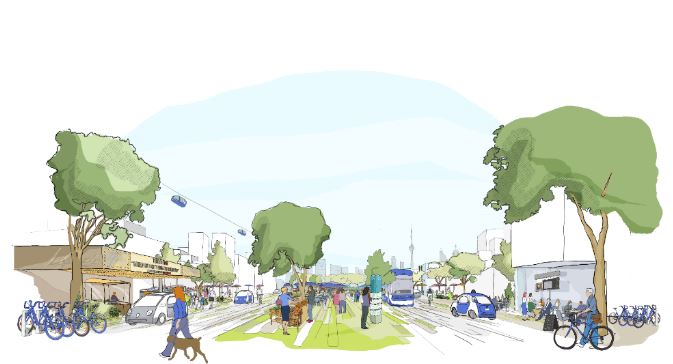 To make this smart city into reality, the Canadian Government and the public company Waterfront Toronto, who is in charge of revitalizing 800 underutilized hectares along the shore of Lake Ontario, signed in October 2017 an agreement with the innovation company "Sidewalk Labs", of Alphabet, the parent company of Google, YouTube and Gmail, among others. In this public-private partnership agreement, the subsidiary of Alphabet has committed to contribute 50 million dollars, while the public company Waterfront Toronto has received 1,250,000,000 million dollars of state, provincial and municipal financing.
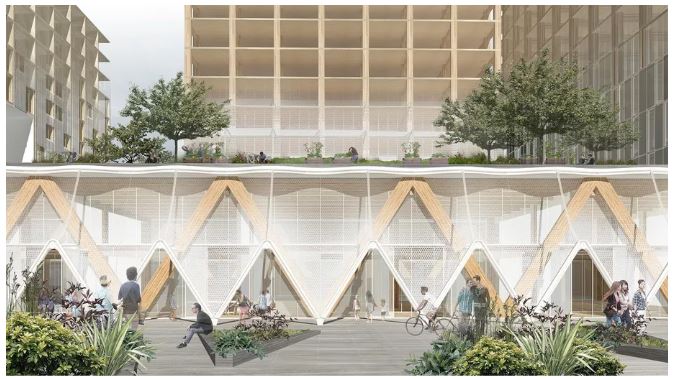 To avoid cold and rainy climate shutting down the outdoor activities, climate-controlled public spaces to block rain and snow will be designed. This will help to double the amount of usable outdoor hours. The project also plans to reinvent sidewalk experimenting with ‘dynamic street’ prototype that uses interactive and modular pavers. The kit of parts includes a variety of surfaces and tiny embedded LED lights that can denote use—walk vs. bike vs. basketball court—and create “lanes”. Thanks to the sensors in these pavers, Sidewalk Labs can track the way streets are used and adjust the design of the right-of-way on the fly. Sidewalk Toronto’s street hierarchy is also worth mentioning. A system of larger and smaller streets prioritizes movement by modes, which means that laneways are wide enough to allow vehicles to make deliveries in the morning or evening, but transform into people-friendly plazas during the day. As for the contribution of Sidewalk Labs, they have deployed digital kiosks that provide free Wi-Fi, real-time transit information, and historical photos of the area. More recently, the data mobility startup Coord with the multimodal trip-planning Router app was introduced to allow urban dwellers to use Google Maps to check transit times and modes across bike share, public transport, car share, and ride-hailing options, and then book or pay for their chosen mode right in the app.
Zigurat Global Institute of Technology